 Solar
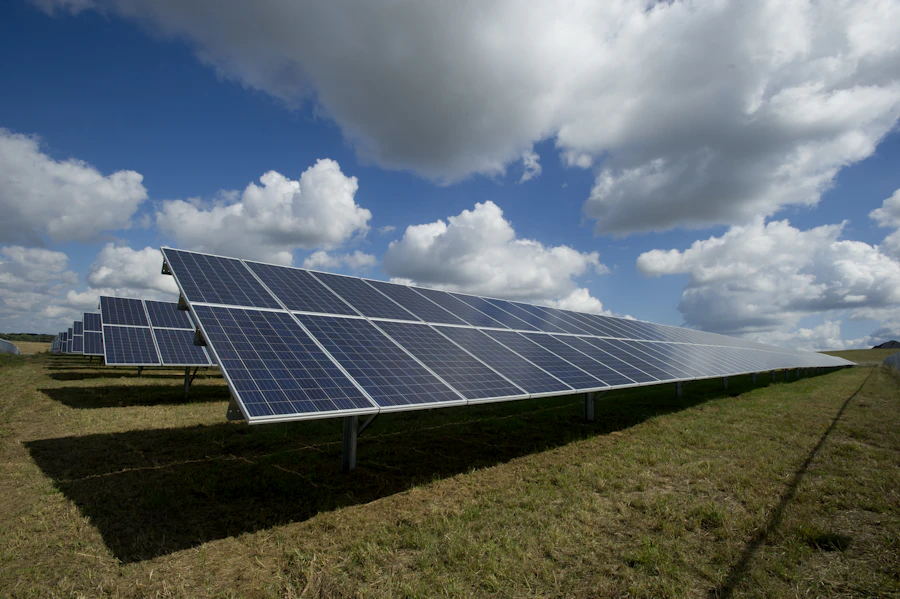
Solar photovoltaic systems are among the safest and most reliable forms of home energy generation when properly installed and maintained. Still, like any electrical system, they require respect for basic safety practices. The tips below are intended for homeowners and property managers who want to understand how to interact safely with their solar array.
1. Never Attempt Electrical Work Yourself
Solar arrays produce direct current (DC) electricity whenever light hits the panels—even on cloudy days and even when the system is “off” at the inverter or breaker. DC arcs are harder to extinguish than AC arcs and can cause severe injury. All wiring, inverter, combiner, and disconnect work should be performed only by licensed electricians or qualified solar technicians.
If you need to shut the system down (for roof work, for example), use the AC and DC disconnects exactly as instructed in your system documentation, and confirm the system is de-energized with appropriate meters before any work begins near the array or electrical equipment.
2. Keep Clear Access for Emergency Responders
Building and fire codes in most jurisdictions require pathways and setbacks on the roof so firefighters can operate safely. Do not place storage, satellite dishes, or other equipment in the designated access pathways. Keep the area around the main electrical panel, inverter, and disconnect switches clear and well labeled.
Many modern systems include rapid-shutdown devices that de-energize the modules within seconds of the AC disconnect being opened. Familiarize yourself with the location of these controls and point them out to emergency personnel if needed.
3. Schedule Professional Inspections After Major Weather Events
Hail, high winds, falling branches, and heavy snow can damage modules, racking, or wiring. After severe weather, look for obvious signs such as cracked glass, shifted panels, or debris on the array, but do not climb onto the roof yourself. Contact a qualified service provider for a visual and thermal inspection. Early detection of damage prevents water intrusion and electrical faults.
4. Maintain Safe Distances During Cleaning
If you choose to rinse panels from the ground with a hose, use a soft stream of water and avoid high-pressure washers that can force water under the frames or damage cells. Never stand on a wet or steep roof to clean panels. Professional cleaning teams use proper fall protection, deionized water, and soft brushes designed for solar glass.
Avoid cleaning during the hottest part of the day when thermal stress is highest, and never use abrasive cleaners or metal tools on the glass surface.
5. Monitor Performance and Investigate Sudden Drops
Most systems include monitoring that shows daily and historical production. A sudden, sustained drop in output—especially if limited to one string or microinverter—can indicate a failed module, loose connection, or shading issue. Report anomalies promptly rather than waiting for the next annual service visit. Early intervention often prevents more extensive damage.
6. Understand Fire and Arc-Fault Protection
Modern inverters and module-level electronics include arc-fault circuit interruption (AFCI) and ground-fault protection required by the National Electrical Code. These features shut the system down if an abnormal arc or ground fault is detected. If your system repeatedly trips, do not simply reset it repeatedly—have a technician diagnose the root cause.
7. Battery Storage Safety
If your home includes a battery system, follow the manufacturer’s guidelines for clearance, ventilation, and ambient temperature. Lithium-ion batteries should not be installed in locations subject to flooding or extreme heat. Keep the area around the battery free of combustible materials. In the rare event of a battery thermal event, evacuate and call emergency services; do not attempt to extinguish it yourself with water.
8. Keep Documentation Accessible
Store your system design drawings, equipment serial numbers, warranty information, and emergency shutdown instructions in a known location. Share this information with household members and, if appropriate, with your homeowner’s association or property manager. When selling the home, provide the next owner with the full documentation package.
When to Call a Professional Immediately
- Visible smoke, burning smell, or discoloration around electrical equipment
- Sparking or unusual noises from the inverter or disconnects
- Broken or shattered modules
- Water leaking into the attic near roof penetrations
- Complete loss of production with no obvious external cause
Solar systems are designed for safe, long-term operation. Following these practices, combined with periodic professional maintenance, helps protect your family, your property, and your investment. If you have questions about the safety features of your specific system, contact Solar Installation at [email protected] or (512) 555-0192.
Need a Safety Inspection or Service?
Our technicians can perform a full safety and performance check of your existing solar system.
Book a Service Visit